William Elliot Griffis, Corea the Hermit Nation, Kessinger, 2004.
ウィリアム・グリフィス (William Elliot Griffis, 1843~1928) は米国の牧師・東洋学者で、1870~74(明治3~7)年に日本に滞在し、福井と東京で西洋式教育制度の導入に尽力した。帰国後の1876年に出版した『皇国(The Mikado"s Empire)』がベストセラーになり、東洋学者としての名声を確立した。1882年に初版が出た『隠者の国・朝鮮』も非常によく売れ、1911年までに9版を重ねた。
This is a good specimen of Corean varnish-work carried into history. The rough facts are smoothed over by that well-applied native lacquer, which is said to resemble gold to the eyes. The official gloss has been smeared over more modern events with equal success, and even defeat is turned into golden victory. (pp. 150-151)
The vocabulary of torture is sufficiently copious to stamp Chō-sen as still a semi-civilized nation. The inventory of the court and prison comprises iron chains, bamboos for beating the back, a paddle-shaped implement for inflicting blows upon the buttocks, switches for whipping the calves till the flesh is ravelled, ropes for sawing the flesh and bodily organs, manacles, stocks, and boards to strike against the knees and skin-bones. (p. 234)
拷問の豊富さは、朝鮮がいまだに半文明国にとどまっていることを示すに十分である。法院と監獄の発明品としては、鉄鎖、背中を打つための竹、尻を打ち据えるためのパドル状の器具、肉が裂けるまでふくらはぎを叩くための鞭、肉と内臓を苛むためのロープ、手かせ、杖、そして膝とむこうずねを叩くための板等がある。
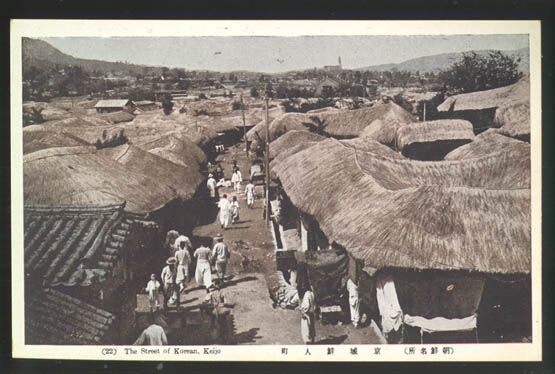
Corean architecture is in a very primitive condition. The castles, fortifications, temples, monasteries and public buildings cannot approach in magnificence those of Japan or China. The country, though boasting hoary antiquity, has few ruins in stone. The dwellings are tiled or thatched houses, almost invariably one story high. In the smaller towns there are not arranged in regular streets, but scattered here hand there. Even in the cities and capital the streets are narrow and tortuous. (p. 262)
朝鮮にはサムライがいない。日本にあって朝鮮に欠けているものは、心身ともによく鍛えられ、兵士であると同時に学者であり、忠誠心と愛国心と自己犠牲の高い理想をかかげる文化的集団である。