일본 시장에서도 금액, 한국 기업 NYT
조회수 : 3,171
JA
255
indicium
2,811,753
일본 시장에서도 금액 한국 기업 삼성은 스마호로 참패, 자동차도 대고전 (1/2페이지)
2013.08.23
한국의 가전・자동차 메이커가 일본 시장에서 괴로워하고 있다.고기능의 스마트 폰이 매도의 삼성 전자이지만, 금년의 여름 판매 경쟁에서는 일본의 소니에 크게 갈라 놓아져 동 판매 경쟁에서는 중점 상품의 자리로부터 떼어지면 보도되었다.엷은 틀 TV에서도 일본 메이커의 벽은 두껍고, 승용차에서는 연달아 철퇴를 피할 수 없게 되어 있다.코리아 브랜드는 이대로 참패해 버리는 것인가.
「일본에서의 증가 추세에, 발버둥 치는 한국 기업 」-.미국 뉴욕・타임즈(전자판)로 11일, 이런 표제의 기사가 나왔다.세계의 가전 시장에서 큰 쉐어를 가지는 삼성이나 LG전자이지만, 일본 시장에서는 전혀 팔리고 있지 않다고 하는 상황을, 소비자나 어널리스트의 소리를 섞어 알린 것이다.
삼성은 2010년 이후, 스마트 폰의「갤럭시」시리즈를 투입해, 일본 시장에 발판을 쌓아 올려 왔지만, 지금에 와서 풍향이 급격하게 변한다.
NTT 도코모는 스마호의 여름 판매 경쟁의「투 톱」로서 소니의「에크스페리아 A」와 삼성의「갤럭시 S4」의 2기종을 중점적으로 팔기 시작했지만, 5월의 발매 개시부터 8월 중순까지 에크스페리아가 약 130만대 팔린 것에 대해, 갤럭시는 약 70만대로 큰폭으로 밑돌았다.
져널리스트 니시다종천가씨는, 양자의 매출에 큰 차이가 붙은 원인에 대해 이렇게 해설한다.
「큰 이유는 가격.에크스페리아 A는 가격이 싼 데다가, 디자인적으로도 잘 되어 있다.갤럭시 S4가 기능은 위이지만, 종래의 휴대 전화로부터 이행 하는 다수파의 유저는 에크스페리아로 충분히라고 판단 한 」
삼성 제품보다 실질 가격으로 1만엔 정도 싼 소니 제품을 선택하는 일본의 소비자가 많았다고 하는 것이다.
그리고 도코모의 동 판매 경쟁에서는, 소니와 샤프, 후지쯔의 국내 3사가「쓰리 톱」로 선택되어 삼성은 중점 상품으로부터 빗나가면 보도되었다.도코모에 단념해졌는가.
「삼성은 이 시기에 고기능 기종을 내지 않는다고 하는 타이밍이 요인의 하나이지만, 여름 판매 경쟁의 매출의 영향도 없지는 않다.단지, 내년, 고기능 기종이 투입되는 타이밍에 다시 삼성이 헤아려지는 것은 있을 수 있는」와 니시다씨는 본다.
그렇다고는 해도, 향후도 갤럭시의 변조가 계속 된다면, 삼성의 일본 시장 공략 시나리오에 이상이 생겨 온다.동사는 07년에 철퇴한 엷은 틀 TV의 일본재상륙이라고 하는 야망을 안고 있다.
한국 경제에 밝은 일본 총합연구소 상석 주임 연구원 무코야마 히데히코씨는 이렇게 지적한다.
「삼성은 스마트 폰으로 건투하고 있지만, 일본에서의 쉐어는 5번째에 머무르고 있어 세계 시장에서의 쉐어 (와)과 큰 열림이 있다.삼성은 일본 시장의 중요성을 인식하고 있어, 향후는 유기 ELTV를 일본 시장에 가져온다고 생각하지만, 일한 관계의 악화가 그림자를 떨어뜨리고 있는 」
전출의 니시다씨는「텔레비젼에 대해서는, 2년 정도 전부터 신중하게 검토하고 있다.삼성도 세계의 TV 시장에서 이익율이 떨어지고 있어 판매처를 늘리고 싶은 것은 사실.단지, 갤럭시가 일본에서 팔린 것은 도코모라고 하는 브랜드가 있던 것.삼성 단독으로 텔레비젼을 똑같이 파는 것은 간단하지 않는」와 분석한다.
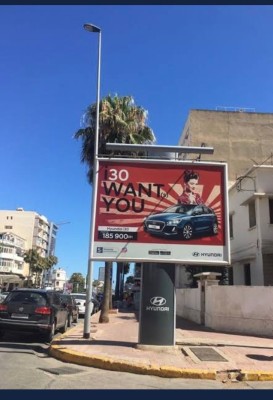
더 어려운 것이 자동차다.현대 자동차는 2001년에 일본 시장에 참가, “동 소나”붐을 타고, 배우의 페・욘 쥰을 CM에 기용해 승용차의「소나타」를 팔았다.그러나 성과는 나오지 않고, 09년에 승용차로부터의 철퇴를 발표.자회사의 기아 자동차에 이르러서는, 갑자기 믿기 어렵지만「1992년의 일본 법인설립으로부터 21년간, 일본 시장에서 1대도 팔리지 않은 채 철퇴한」와 한국 미디어가 알린 것으로부터, 그 참상을 알 수 있다.
「일본 시장에서는 일본차가 경을 포함하고 싸서 매력적이기 위해, 한국차를 사는 이유가있어.이 때문에, 다른 시장과 달리, 현대 자동차는“코스트 퍼포먼스의 좋은 점”를 소구 하지 못하고, 승용차 시장으로부터의 철퇴에 몰렸다.현대는 상용차나 버스에 힘을 쓰고 있지만, 승용차는 어려울 것이다」(무코야마씨)
일본 메이커가 엔고 수정으로 소생하고 있는 가운데, 한국 메이커를 둘러싸는 환경은 어려움을 늘리고 있는 것 같다.
Korean Companies Struggle to Gain Traction in Japan
By ERIC PFANNER
Published: August 11, 2013
http://www.nytimes.com/2013/08/12/business/global/korean-companies-gain-traction-in-japan.html
TOKYO — Brandishing a new Sony Xperia as she left a mobile phone shop in a trendy part of Tokyo, Nisako Hanawa, a 17-year-old student, explained that she had chosen that brand “because of its cool design and its good reputation.”
Asked about another leading smartphone maker, Samsung Electronics of South Korea, she and a friend exchanged quizzical looks. “Samsung?” Miss Hanawa asked. “I haven’t heard of it.”
Samsung Electronics may be the largest consumer electronics company in the world, selling one out of every three smartphones and one in five televisions. LG, the other giant electronics maker in Korea, has a significant share of TV and washing machine markets in Europe and the United States. But here in trend-obsessed Japan, consumers have not caught on that elsewhere in the world some Korean products are knocking Japanese rivals off the shelves.
Many Japanese explain away the absence of Korean brands by claiming the quality is inferior. “South Korean products are still affected by a ‘cheap and nasty’ image, which remains prevalent among Japanese above a certain age,” wrote Hidehiko Mukoyama, an economist at the Japan Research Institute, in a research paper about Japan-South Korea trade relations.
The evidence says otherwise. Korean-made TVs, phones, washers and cars rate higher than many Japanese brands in independent tests by Consumer Reports, CNet and others. LG TVs have been getting favorable reviews in Japan. A local magazine, HiVi, recently rated a 32-inch, high-definition, 3-D-capable LG set-top ahead of televisions in its category from Mitsubishi and Sharp.
The unfamiliarity is not because tariffs make Korean products costlier. Japan eliminated the import duty on many Korean electronics products, including TVs and smartphones.
But this last holdout is finally being cracked open. In 2008, LG stopped selling its televisions in Japan, but it reintroduced them two years later. Now many of the biggest electronics retailers in Japan, including the No. 1 player, Yamada Denki, and the second-biggest chain, Biccamera, sell LG TVs.
At a suburban Tokyo branch of Nojima, a major Japanese retail chain, LG televisions are displayed prominently alongside sets from domestic brands like Sony, Sharp, Panasonic and Toshiba.
Kohei Tomizawa, a sales clerk, said LG TVs were selling briskly, though not as well as those from Sony. LG sets “tend to be more popular with younger people, and younger people don’t buy as many televisions as older customers, who tend to prefer well-known Japanese brands, like Sony,” Mr. Tomizawa said.
The quality myth may be less believable to a younger generation of consumers. With South Korean food and television shows popular in Japan, LG has latched on to the popularity of K-pop music across Asia and beyond. It has run ads for its smartphones in Japan that feature Kara, a Korean group that is popular in Japan.
“I think things have improved compared to the old days, thanks to the influence of Korean popular culture,” said Byoung-Uk Lee, assistant director of the Korea Trade-Investment Promotion Agency in Japan.
LG said it sold about $675 million worth of TVs, smartphones, washing machines, vacuum cleaners and other goods in Japan last year, up about 45 percent from 2010.
Samsung also pulled out of Japan in 2007, after failing to make much of a dent here. (The biggest Korean carmaker, Hyundai Motor, also beat a retreat from Japan shortly thereafter.)
But Samsung has come back for a second shot in Japan, starting with its smartphones. NTT Docomo, the largest mobile phone carrier in Japan, has turned to Samsung to try to fend off rising competition from two rival network operators, SoftBank and KDDI.
Those two companies have been poaching customers from Docomo, which does not offer the popular iPhone. “Docomo needs Samsung, and that is giving it an opening,” said Michito Kimura, an analyst at IDC, a research firm.
Starting in May, Docomo plastered Japanese cities with advertising posters featuring the flagship Samsung Galaxy S4 smartphone alongside a Sony Xperia A. The campaign, for what Docomo bills as its “summer collection,” is the first time that any Japanese carrier has given such prominence to a Samsung phone.
So far, the results of Docomo’s embrace of Samsung have been mixed. Analysts say Samsung smartphones have been a tougher sell in Japan than in other countries where consumers are familiar with the brand through the televisions and other goods.
Docomo said that under its summer promotion, it had sold 400,000 Galaxy S4 phones through mid-July, but that was less than half the total of Sony Xperia A handsets.
Apple dominates the Japanese smartphone business, holding a 40 percent market share in the first quarter, according to IDC. Sharp, with 15 percent, and Sony, with 13 percent, follow. Samsung has not cracked the top five vendor ranks.
Japanese and Korean news media have reported that Samsung is considering re-entering the Japanese television market. Samsung declined to comment.
To succeed in Japan, Samsung will have a lot of work to do changing a mind-set. But some analysts, like Sea-Jin Chang, the author of “Sony vs. Samsung: The Inside Story of the Electronics Giants’ Battle for Global Supremacy,” are convinced that South Korean companies have a brighter future in Japan.
“Japanese customers favor domestic producers,” said Mr. Chang, executive director of the Center for Governance, Institutions and Organization at National University of Singapore. “No Korean or Western firms were good enough for them, except Apple. But you will find more Korean firms accepted in the Japanese mainstream in the future.”
Joshua Hunt contributed reporting.
원문보기
日本市場でもがく、韓国企業 NYT
日本市場でもがく韓国企業 サムスンはスマホで惨敗、自動車も大苦戦 (1/2ページ)
2013.08.23
韓国の家電・自動車メーカーが日本市場で苦しんでいる。高機能なスマートフォンが売りのサムスン電子だが、今年の夏商戦では日本のソニーに大きく引き離され、冬商戦では重点商品の座から外されると報じられた。薄型テレビでも日本メーカーの壁は厚く、乗用車では相次いで撤退を余儀なくされている。コリアブランドはこのまま惨敗してしまうのか。
「日本での増勢へ、もがく韓国企業」-。米ニューヨーク・タイムズ(電子版)で11日、こんな見出しの記事が出た。世界の家電市場で大きなシェアを持つサムスンやLG電子だが、日本市場ではサッパリ売れていないという状況を、消費者やアナリストの声を交えて報じたものだ。
サムスンは2010年以降、スマートフォンの「ギャラクシー」シリーズを投入し、日本市場に足がかりを築いてきたが、ここにきて風向きが急激に変わっている。
NTTドコモはスマホの夏商戦の「ツートップ」として、ソニーの「エクスペリアA」とサムスンの「ギャラクシーS4」の2機種を重点的に売り出したが、5月の発売開始から8月中旬までにエクスペリアが約130万台売れたのに対し、ギャラクシーは約70万台と大幅に下回った。
ジャーナリストの西田宗千佳氏は、両者の売れ行きに大差がついた原因についてこう解説する。
「大きな理由は価格。エクスペリアAは値段が安いうえ、デザイン的にもよくできている。ギャラクシーS4の方が機能は上だが、従来の携帯電話から移行する多数派のユーザーはエクスペリアで十分と判断した」
サムスン製品より実質価格で1万円程度安いソニー製品を選ぶ日本の消費者が多かったというわけだ。
そしてドコモの冬商戦では、ソニーとシャープ、富士通の国内3社が「スリートップ」に選ばれ、サムスンは重点商品から外れると報じられた。ドコモに見限られたのか。
「サムスンはこの時期に高機能機種を出さないというタイミングが要因の一つだが、夏商戦の売れ行きの影響もなくはない。ただ、来年、高機能機種が投入されるタイミングで再びサムスンが推されることはありうる」と西田氏はみる。
とはいえ、今後もギャラクシーの変調が続くようなら、サムスンの日本市場攻略シナリオに狂いが生じてくる。同社は07年に撤退した薄型テレビの日本再上陸という野望を抱いているのだ。
韓国経済に詳しい日本総合研究所上席主任研究員の向山英彦氏はこう指摘する。
「サムスンはスマートフォンで健闘しているが、日本でのシェアは5番目にとどまっており、世界市場でのシェアと大きな開きがある。サムスンは日本市場の重要性を認識しており、今後は有機ELテレビを日本市場に持ってくると思うが、日韓関係の悪化が影を落としている」
前出の西田氏は「テレビについては、2年ぐらい前から慎重に検討している。サムスンも世界のテレビ市場で利益率が落ちており、販売先を増やしたいのは事実。ただ、ギャラクシーが日本で売れたのはドコモというブランドがあってのもの。サムスン単独でテレビを同じように売るのは簡単ではない」と分析する。
もっと厳しいのが自動車だ。現代自動車は2001年に日本市場に参入、“冬ソナ”ブームに乗って、俳優のペ・ヨンジュンをCMに起用して乗用車の「ソナタ」を売り込んだ。しかし成果は出ず、09年に乗用車からの撤退を発表。子会社の起亜自動車に至っては、にわかに信じがたいが「1992年の日本法人設立から21年間、日本市場で1台も売れないまま撤退した」と韓国メディアが報じたことから、その惨状がわかる。
「日本市場では日本車が軽を含めて安くて魅力的であるため、韓国車を買う理由がない。このため、他の市場と異なり、現代自動車は“コストパフォーマンスの良さ”を訴求できず、乗用車市場からの撤退に追い込まれた。現代は商用車やバスに力を入れているが、乗用車は難しいだろう」(向山氏)
日本メーカーが円高修正で息を吹き返しつつあるなか、韓国メーカーを取り巻く環境は厳しさを増しているようだ。
Korean Companies Struggle to Gain Traction in Japan
By ERIC PFANNER
Published: August 11, 2013
http://www.nytimes.com/2013/08/12/business/global/korean-companies-gain-traction-in-japan.html
TOKYO — Brandishing a new Sony Xperia as she left a mobile phone shop in a trendy part of Tokyo, Nisako Hanawa, a 17-year-old student, explained that she had chosen that brand “because of its cool design and its good reputation.”
Asked about another leading smartphone maker, Samsung Electronics of South Korea, she and a friend exchanged quizzical looks. “Samsung?” Miss Hanawa asked. “I haven’t heard of it.”
Samsung Electronics may be the largest consumer electronics company in the world, selling one out of every three smartphones and one in five televisions. LG, the other giant electronics maker in Korea, has a significant share of TV and washing machine markets in Europe and the United States. But here in trend-obsessed Japan, consumers have not caught on that elsewhere in the world some Korean products are knocking Japanese rivals off the shelves.
Many Japanese explain away the absence of Korean brands by claiming the quality is inferior. “South Korean products are still affected by a ‘cheap and nasty’ image, which remains prevalent among Japanese above a certain age,” wrote Hidehiko Mukoyama, an economist at the Japan Research Institute, in a research paper about Japan-South Korea trade relations.
The evidence says otherwise. Korean-made TVs, phones, washers and cars rate higher than many Japanese brands in independent tests by Consumer Reports, CNet and others. LG TVs have been getting favorable reviews in Japan. A local magazine, HiVi, recently rated a 32-inch, high-definition, 3-D-capable LG set-top ahead of televisions in its category from Mitsubishi and Sharp.
The unfamiliarity is not because tariffs make Korean products costlier. Japan eliminated the import duty on many Korean electronics products, including TVs and smartphones.
But this last holdout is finally being cracked open. In 2008, LG stopped selling its televisions in Japan, but it reintroduced them two years later. Now many of the biggest electronics retailers in Japan, including the No. 1 player, Yamada Denki, and the second-biggest chain, Biccamera, sell LG TVs.
At a suburban Tokyo branch of Nojima, a major Japanese retail chain, LG televisions are displayed prominently alongside sets from domestic brands like Sony, Sharp, Panasonic and Toshiba.
Kohei Tomizawa, a sales clerk, said LG TVs were selling briskly, though not as well as those from Sony. LG sets “tend to be more popular with younger people, and younger people don’t buy as many televisions as older customers, who tend to prefer well-known Japanese brands, like Sony,” Mr. Tomizawa said.
The quality myth may be less believable to a younger generation of consumers. With South Korean food and television shows popular in Japan, LG has latched on to the popularity of K-pop music across Asia and beyond. It has run ads for its smartphones in Japan that feature Kara, a Korean group that is popular in Japan.
“I think things have improved compared to the old days, thanks to the influence of Korean popular culture,” said Byoung-Uk Lee, assistant director of the Korea Trade-Investment Promotion Agency in Japan.
LG said it sold about $675 million worth of TVs, smartphones, washing machines, vacuum cleaners and other goods in Japan last year, up about 45 percent from 2010.
Samsung also pulled out of Japan in 2007, after failing to make much of a dent here. (The biggest Korean carmaker, Hyundai Motor, also beat a retreat from Japan shortly thereafter.)
But Samsung has come back for a second shot in Japan, starting with its smartphones. NTT Docomo, the largest mobile phone carrier in Japan, has turned to Samsung to try to fend off rising competition from two rival network operators, SoftBank and KDDI.
Those two companies have been poaching customers from Docomo, which does not offer the popular iPhone. “Docomo needs Samsung, and that is giving it an opening,” said Michito Kimura, an analyst at IDC, a research firm.
Starting in May, Docomo plastered Japanese cities with advertising posters featuring the flagship Samsung Galaxy S4 smartphone alongside a Sony Xperia A. The campaign, for what Docomo bills as its “summer collection,” is the first time that any Japanese carrier has given such prominence to a Samsung phone.
So far, the results of Docomo’s embrace of Samsung have been mixed. Analysts say Samsung smartphones have been a tougher sell in Japan than in other countries where consumers are familiar with the brand through the televisions and other goods.
Docomo said that under its summer promotion, it had sold 400,000 Galaxy S4 phones through mid-July, but that was less than half the total of Sony Xperia A handsets.
Apple dominates the Japanese smartphone business, holding a 40 percent market share in the first quarter, according to IDC. Sharp, with 15 percent, and Sony, with 13 percent, follow. Samsung has not cracked the top five vendor ranks.
Japanese and Korean news media have reported that Samsung is considering re-entering the Japanese television market. Samsung declined to comment.
To succeed in Japan, Samsung will have a lot of work to do changing a mind-set. But some analysts, like Sea-Jin Chang, the author of “Sony vs. Samsung: The Inside Story of the Electronics Giants’ Battle for Global Supremacy,” are convinced that South Korean companies have a brighter future in Japan.
“Japanese customers favor domestic producers,” said Mr. Chang, executive director of the Center for Governance, Institutions and Organization at National University of Singapore. “No Korean or Western firms were good enough for them, except Apple. But you will find more Korean firms accepted in the Japanese mainstream in the future.”
Joshua Hunt contributed reporting.
좋아요·댓글을 남기려면 로그인해 주세요.
댓글 ( 4 )