본문으로 건너뛰기

KJCLUB 한일 문화교류에 오신 것을 환영합니다.

History of PCB Development - FS Technology

조회수 : 873
세분류: 자유주제 JA 10 FSPCBA 54,800

PCB (PCB) is an electrical component required for electronic components, carrier body and power connector. It is called "printed circuit board" because it is made of electronic printing. Before the advent of printed circuit boards, the connection between electronic devices relied on direct connection of wires to provide complete navigation. Now the measurement of test equipment has become only a high quality and a complete feature of FS PCB technology electronics industry.

In the early 20th century, research began to simplify the production of electric motors, reduce cables between electrical devices and reduce production costs, how to replace wires and circuits, and print with FS technology.
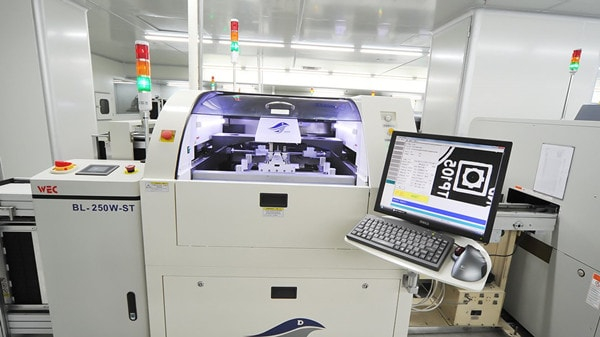
yellow printed circuit boards

For the past 30 years, engineers have recommended the use of steel pipes for drainage in insulating substrates.
He is the most successful.

In 1925, in the United States, Charles Ducas printed a series of printed circuits on insulating substrates and then successfully introduced wire as a galvanic coating.

In 1936, the Austrian Paul Isler (Paulsler) introduced foil technology in the UK using circular screens printed on radio equipment. In Japan, Miyamoto Kisuke successfully applied for a license to use spray and cord. Roads, blasts and connections (Patent No. 119384).

Of the two methods, the Paullesler system is similar to today"s PCBs.
This method is called drilling method, which involves removing the waste iron. And the Charleszdukas, Miyamoto Kisuke method is to connect only what is needed for cabling, which is called extension method.

However, due to the extreme heat of the electrical equipment at that time, it was difficult to use the two devices together, so regular operation was not done, but before that the technology of printed circuit was also taken.

In 1941, the United States painted copper talc on ropes to build the pipeline.
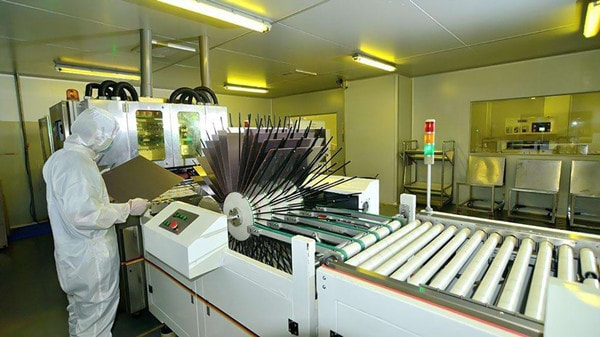
pcba recorder fabrication

In 1943, the Americans made extensive use of technology in military radio.

In 1947, epoxy resin was first used to make things. At the same time, NBS began to study supply chain technologies such as windings, capacitors, resistors and circuit technology.

fs tech

In 1948, the United States officially approved the invention for commercial use. Since the 1950s, low-heat transistors of FS technology have replaced the position of tubes, and PCB technology has become widely used. At that time, the film was shot by a technical artist.

In 1950, Japan used silver wire paint on glass surfaces and copper foil wire made of phenolic resin on phenolic substrate (CCL) paper.

In 1951, with the advent of polyimide, the heat resistance of resin was further increased and production of polyimide adhesives began.

In 1953, Motorola developed a double-sided coating system. This method is later applied to multi-level boards. Printed circuit boards were widely used in the 1900s and their technology was increasingly advanced. After the introduction of Motorola"s two-dimensional circle, multi-layered printed circuit boards began to appear, resulting in larger cabling ratios.

In 1960, W. Dalgreen invented a flexible board printed on a thermoplastic screen with a metal foil.

In 1961, the Hazeltine Company in the United States relied on power transmission lines to produce a multi-layered screen.

In 1967, Layer Technology, one of the most decorated methods, was published.

In 1969, FS Technology developed FD-R flexible polyamide PCBs.

In 1979, Pactel published "Pactel Method", one of the collection methods.
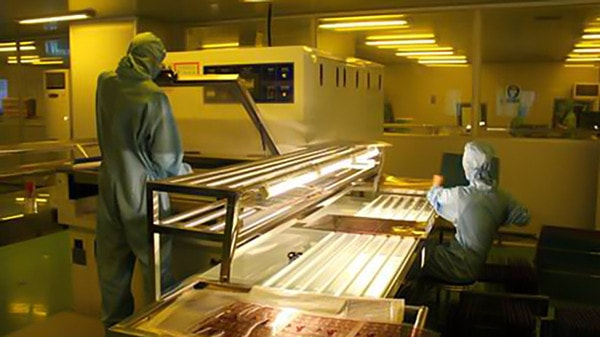
pcba order

In 1984, NTT developed "copper polyamide methods" for thin film chains.

In 1988, Siemens developed a printed circuit board for microcables.

In 1990, IBM designed the PCB to build the "Surface Laminar Circuit" (SLC).

In 1995, Panasonic developed a printed circuit board to manufacture ALIVH.

In 1996, Toshiba developed an award-winning PCB. Exactly in the late 1990"s, when many printed circuit boards were made for construction, circuit boards were also widely used for official meetings.

FS Technology - Learn more about PCBs for you
원문보기

History of PCB Development - FS Technology

PCB (PCB) is an electrical component required for electronic components, carrier body and power connector. It is called "printed circuit board" because it is made of electronic printing. Before the advent of printed circuit boards, the connection between electronic devices relied on direct connection of wires to provide complete navigation. Now the measurement of test equipment has become only a high quality and a complete feature of FS PCB technology electronics industry.

In the early 20th century, research began to simplify the production of electric motors, reduce cables between electrical devices and reduce production costs, how to replace wires and circuits, and print with FS technology.

yellow printed circuit boards

For the past 30 years, engineers have recommended the use of steel pipes for drainage in insulating substrates.
He is the most successful.

In 1925, in the United States, Charles Ducas printed a series of printed circuits on insulating substrates and then successfully introduced wire as a galvanic coating.

In 1936, the Austrian Paul Isler (Paulsler) introduced foil technology in the UK using circular screens printed on radio equipment. In Japan, Miyamoto Kisuke successfully applied for a license to use spray and cord. Roads, blasts and connections (Patent No. 119384).

Of the two methods, the Paullesler system is similar to today"s PCBs.
This method is called drilling method, which involves removing the waste iron. And the Charleszdukas, Miyamoto Kisuke method is to connect only what is needed for cabling, which is called extension method.

However, due to the extreme heat of the electrical equipment at that time, it was difficult to use the two devices together, so regular operation was not done, but before that the technology of printed circuit was also taken.

In 1941, the United States painted copper talc on ropes to build the pipeline.

pcba recorder fabrication

In 1943, the Americans made extensive use of technology in military radio.

In 1947, epoxy resin was first used to make things. At the same time, NBS began to study supply chain technologies such as windings, capacitors, resistors and circuit technology.

fs tech

In 1948, the United States officially approved the invention for commercial use. Since the 1950s, low-heat transistors of FS technology have replaced the position of tubes, and PCB technology has become widely used. At that time, the film was shot by a technical artist.

In 1950, Japan used silver wire paint on glass surfaces and copper foil wire made of phenolic resin on phenolic substrate (CCL) paper.

In 1951, with the advent of polyimide, the heat resistance of resin was further increased and production of polyimide adhesives began.

In 1953, Motorola developed a double-sided coating system. This method is later applied to multi-level boards. Printed circuit boards were widely used in the 1900s and their technology was increasingly advanced. After the introduction of Motorola"s two-dimensional circle, multi-layered printed circuit boards began to appear, resulting in larger cabling ratios.

In 1960, W. Dalgreen invented a flexible board printed on a thermoplastic screen with a metal foil.

In 1961, the Hazeltine Company in the United States relied on power transmission lines to produce a multi-layered screen.

In 1967, Layer Technology, one of the most decorated methods, was published.

In 1969, FS Technology developed FD-R flexible polyamide PCBs.

In 1979, Pactel published "Pactel Method", one of the collection methods.

pcba order

In 1984, NTT developed "copper polyamide methods" for thin film chains.

In 1988, Siemens developed a printed circuit board for microcables.

In 1990, IBM designed the PCB to build the "Surface Laminar Circuit" (SLC).

In 1995, Panasonic developed a printed circuit board to manufacture ALIVH.

In 1996, Toshiba developed an award-winning PCB. Exactly in the late 1990"s, when many printed circuit boards were made for construction, circuit boards were also widely used for official meetings.

FS Technology - Learn more about PCBs for you

좋아요·댓글을 남기려면 로그인해 주세요.

댓글 ( 0 )

게시물 목록

54,800

  1. 세분류: 자유주제 KO 255 name0
  2. 세분류: 자유주제 JA 255 RapidMoonlight
  3. 세분류: 홍보 KO 255 gakura
  4. 세분류: 홍보 KO 255 gakura
  5. 세분류: 홍보 KO 255 gakura
  6. 세분류: 홍보 KO 255 gakura
  7. 세분류: 홍보 KO 255 gakura
  8. 세분류: 홍보 KO 255 gakura
  9. 세분류: 자유주제 JA 116 IMyong
  10. 세분류: 자유주제 JA 111 IMyong
  11. 세분류: 자유주제 JA 106 IMyong
  12. 조회수 : 25
    세분류: 자유주제 JA 101 IMyong
  13. 조회수 : 17
    세분류: 가입인사 KO 179 CheEese
  14. 세분류: 가입인사 KO 174 CheEese
  15. 세분류: 자유주제 JA 255 nnemon2
  16. 세분류: 자유주제 JA 255 nnemon2
  17. 세분류: 자유주제 JA 255 nnemon2
  18. 세분류: 자유주제 JA 255 nnemon2
  19. 세분류: 가입인사 KO 169 CheEese